153. The Race to Lead Bexar County: Ron Nirenberg


This week on bigcitysmalltown, we examine the race for Bexar County Judge through the lens of former San Antonio Mayor Ron Nirenberg’s candidacy. After serving as mayor from 2017 to 2025—a period marked by both crisis and growth—Nirenberg is now challenging incumbent Judge Peter Sakai. As one of the fastest-growing counties in the nation, Bexar County faces new and unresolved questions around public safety, health care access, infrastructure, and the organization of local government.
Cory Ames and Bob Rivard sit down with Ron Nirenberg to discuss the motivations behind his campaign, his thoughts on county government’s preparedness for rapid growth, and his outlook on public service. The conversation considers the discomfort some San Antonians feel over choosing between two long-serving and well-known public officials in a race that will shape regional policy for years to come.
Key issues covered:
• Persistent operational and accountability challenges in the justice system and county bureaucracy
• Widening gaps in health care access despite significant local resources
• The impact of state and federal policy uncertainty—on everything from economic development to emergency management
• The need for a unified vision on growth, affordable housing, and essential infrastructure across city and county lines
• Reflections from Ron Nirenberg on crisis leadership, including lessons learned during the COVID-19 pandemic and severe winter storms
As local government takes on a greater share of responsibility for daily life in a changing Texas, this episode explores what effective, accountable leadership might require at the county level—and why it matters for San Antonio’s future.
We will be hosting incumbent Judge Peter Sakai next week. Stay tuned.
RECOMMENDED NEXT LISTEN:
▶️ #152. What’s Ahead for San Antonio in 2026: Bob Rivard & Cory Ames on City Politics, Growth, and Civic Trust – Dive deep into the pivotal issues shaping San Antonio’s near future, as Bob Rivard and Cory Ames break down key local elections, rapid regional growth, and challenges in civic engagement. This episode provides crucial context for understanding the high-stakes county judge race and why downtown investment, infrastructure, and media transformation matter for every San Antonian.
-- --
CONNECT
SPONSORS
🙌 Support the show & see our sponsors
THANK YOU
⭐ Leave a review on Apple Podcasts
⭐ Rate us on Spotify
Cory Ames [00:00:02]:
Welcome to Big City, Small Town, the show about the people who make San Antonio go and grow. I'm Corey Ames joining Bob Rivard for this one. And today we're sitting down with Ron Nuremberg, former mayor of San Antonio. Ron served in that role from 2017 to 2025, eight years that included a pandemic, a historic winter storm and a constant tension with state leadership. Before that, he spent four years on City Council representing District 8. He's a Trinity University grad, and since leaving office last June, he's been named the Calgar Distinguished professor of Practice in Trinity's communications department. Ron is now running for Bexar county judge against the incumbent Judge Peter Sakai. Bexar county is one of the fastest growing counties in the country, and that growth is raising questions we haven't had to answer before about our courts, health care access, about who's actually planning for what comes next.
Cory Ames [00:00:56]:
Ron describes it this way, growth is coming at us like a steam train and there's no captain in the engine room. So we wanted to understand what does leadership at the county level actually require right now, in Ron's opinion? What's working, what isn't? Why should any of it matter to your everyday life? Let's get into it.
Bob Rivard [00:01:15]:
So let's start with a question you're probably really tired of hearing or answering, and it's one voters and political observers are all asking or talking about. People, people wonder if you decided to run for County Judge Ron against incumbent Judge Peter Sakai only because a path to a federal appointment in Washington under a Democratic president ended with the departure of President Biden and the loss of Kamala Harris to President Donald Trump. And perhaps because there was no clear path forward for you to pursue a state office like a run against Governor Abbott or another statewide elected office. Why are you running?
Ron Nirenberg [00:01:55]:
Sure. Well, and thank you again for having me. And I think it's a fair question. There has been a lot of conversation, a lot of projections onto me and what I would do with my future. And quite frankly, it deserved time and contemplation that I haven't had until I left office. But I will tell you this. My heart is still in public service. I still believe very strongly in the work that we've done for the last 12 years.
Ron Nirenberg [00:02:22]:
I care deeply about this community. In fact, I never envisioned a life in politics. It was not a part of my life plan. But I fell in love with this place and I want my son and his generation to do the same. And so my heart is still here. And there's a lot of work to do, Bob. There's a lot of work to do in this community to achieve the goals that we have for the future. And I will tell you this, leaders have to deliver.
Ron Nirenberg [00:02:53]:
It's not enough to have ambition. I have a record of delivering and I have a record of achievement and support of our community. And there are a number of key issues, difficult issues that we've been talking about for quite a while, many of which were campaigned on by Judge Sakai. Those issues are only deepening, getting worse in many cases. And so we have a lot of challenges to solve. And for all of our hopes and aspirations of changing the course of our state, know, fixing what's wrong and the direction that we're going in this country, none of that matters if we can't get the issues solved in our own backyard. So that's why I'm running.
Bob Rivard [00:03:33]:
People who are asking that question, and particularly people active in Democratic Party politics, say they feel uncomfortable about this race. And you probably heard that because you have high positive numbers in the community. Peter Sakai does as well, maybe not as high as yours, not as well known, but you're both individuals with long records in the community, in community service, in public service. And I've heard two kinds of observations along that line. One from voters going, I'm uncomfortable with having to choose between them. Then I've heard from business leaders and other political donors saying, I'm uncomfortable having to write a check or choose between them or even publicly state that I'm against Ron or against Peter. And we are kind of a first name city, big city, small town. Right.
Bob Rivard [00:04:27]:
And so people are, I think they were caught off guard by this. They weren't expecting this. And there is a level of discomfort. How are you dealing with that when you're out there seeking either contributions or talking to people to raise that issue?
Ron Nirenberg [00:04:39]:
Well, I think, number one, democracy is about having choices. And so it's not always about feeling comfortable. And in fact, I think we should be a little bit more uncomfortable in our politics because I hope we have more quality candidates to choose from in the future. And the truth of the matter is, Peter Sakai is an honest and decent man. He's a good man. I've admired his service to this community as a children's court judge, but that's not the role we are campaigning for. That's not the role either one of us is seeking. This is about our record.
Ron Nirenberg [00:05:11]:
This is about our abilities and skills. And I believe strongly, and I believe the record will show that I am suited for this job and to solve the challenges and to work with the community to prepare for the future. It's not enough to be a Democrat to win a Democratic primary. We've got to perform. And so that's what I'm telling folks. And again, it's not a personal thing, but we have to ensure that we're getting the best quality results. And that's what our politics needs, is problem solving results. And that's why I'm looking forward to this race.
Ron Nirenberg [00:05:48]:
That's why the campaign has been going very well. And frankly, I'm looking forward to going on to the next phase, God willing, as people turn out to vote.
Bob Rivard [00:05:59]:
How do you organize a campaign that, that, you know, I know you've been campaigning, but we're now people. The holidays are over, people are back at work, it's the new year. People are really gonna start focusing on this. Do you need a million dollars to put together a good run in the last month to get on media, get the mailers out, get the signs out, and really become credible in terms of mounting a campaign against an incumbent?
Ron Nirenberg [00:06:24]:
Yeah, well, you know, unfortunately, it does take money to run a campaign. So, yes, we are fundraising, but the answer to that question is you need enough. You need enough to get your heard. You need enough for people to know who you are, what you stand for, why you would be the right candidate. And I'm used to running every two years. I've run, you know, every two years for the last 12 years. And in fact, most of the time I'm spending my political capital on propositions and initiatives that, you know, have been wildly successful to move our community forward. I don't, you know, separate the campaign experience from the work I do because it's all happening at the same time.
Ron Nirenberg [00:07:10]:
Hopefully the work speaks for itself. But yes, you do need a campaign infrastructure. You need a team. You need a good plan. I think we have a good team and a good plan. We're executing and we're raising funds to do it.
Bob Rivard [00:07:22]:
What are the issues?
Ron Nirenberg [00:07:25]:
Well, there are many. The first issue, I think, on most people's mind is public safety. You know, we've got tremendous challenges within the justice system, operational bottlenecks and case backlogs that need to be solved. And those are a threat not only to the safety and well being of people who serve in those positions, but it's also a threat to public safety. I mean, just a month or so ago, we had a murderer out in the community, unbeknownst to anyone, for a couple of weeks, because the Data systems were in a state of chaos of the county. Those things need to get solved.
Bob Rivard [00:08:03]:
That's the district attorney's office. And so there's a.
Ron Nirenberg [00:08:05]:
Well, you know, that's the issue is we need some accountability and it's not just one person's job. Yes, there's a whole chain of command, but at the end of the day, it's the county judge and the commissioner's court who decide the budget and resources of this entire county. And so unless you have a county judge who's willing to get out in front of issues, take accountability and say we're going to solve these together as a team, you have no hope of solving issues. And I think that's why things have languished. You really need collaboration and teamwork. You need a vision and somebody's willing to plant a flag in the ground, say we're going to solve this on behalf of the public so the public has someone to take and hold accountable. So there's issues in public safety. There's also issues within our health system.
Ron Nirenberg [00:08:46]:
You know, I've spent the most time of my career working in things like housing and transportation reform and workforce and education initiatives, things I hope people remember and we get to talk about even, even parts where I'm taking criticism for. I hope we get to talk those. Because all of those were geared towards one principle and that is it doesn't matter who you are and where you live in this city or in this region, you should be able to thrive. You should expect and receive quality of life through basic services and infrastructure. You should have access to quality employment with a good paying job. If you show that initiative so that you're not having to work several jobs to make ends meet. We need to work together as a community to solve the challenges of poverty which remain at the watershed of so many other issues. And so all those we're dealing with economic opportunity and breaking cycles of poverty which we have no problem talking about, but quite often stumble over ourselves trying to work on things.
Ron Nirenberg [00:09:51]:
And so the one area that has not been touched in that same regard is healthcare. That's the fourth pillar. Making sure that people have access to basic, essential healthcare is a critical component of being able to break a cycle of poverty. And right now, now in our community, despite the fact that we have the largest, one of the largest taxpayer funded health systems, hospital systems in the state, our healthcare access gap is widening. We have the highest uninsured rate perhaps in the country. And we need to consider that as a priority alongside housing and workforce and education and Transportation reform. So that's the second.
Bob Rivard [00:10:30]:
Hard to know that you can do anything about that with the state resisting Fair enough.
Ron Nirenberg [00:10:35]:
Funds.
Bob Rivard [00:10:35]:
Fair enough.
Ron Nirenberg [00:10:35]:
Fair enough. We're not the only person at the level levers. But I would tell you our control of the local situation is as strong as the states is over their portion of it. And we have significant assets in our community. University Health System, CareLink, Community First. We have a tremendous operation with the South Texas Medical center and all the assets within our private medical institutions. You're telling me with everything that we have in this community, we can't figure out a way to serve low income residents and everyone, frankly, to have access to basic health care so that residents aren't forced to use the er, gumming up the operations and slowing down service and making it more costly for everyone. I think we can figure it out.
Ron Nirenberg [00:11:23]:
I'm not saying I have all of the plans in place to be able to do that, but I'm saying we have the brain power, we have the assets in this community to figure that out. I would say the one other big issue that we need to tackle is frankly just our preparedness. Growth is coming at us like a steam train. And frankly, there's no captain in the engine room. We have no plan for growth in this community. We're one of the fastest growing counties in the country. It's creating challenges with infrastructure and services. We know municipalities have statutory restrictions.
Ron Nirenberg [00:11:59]:
We know the tax code is changing, so it's reducing the amount of resources that municipalities have to deal with. We need to work collectively on a plan, not necessarily so we can change all of those factors, but so that we are ready for the future. I mean, I've been driving around the outskirts of this county for a while now and I'm seeing things happen in real time that led to things like camelot and Camelot 2 and the glen. We have to do a better job of preparing for the reality that people are moving out in the unincorporated area because they think cheaper. But it's also disconnecting them from the basic essentials to ensure that we're not having people live in colonias in Bexar county in 2026. I think we can do that. There's many other challenges. Bob, There's a breakdown in the, in the elections department on voter registration.
Ron Nirenberg [00:12:54]:
I would encourage everyone, since we're talking about elections, make sure, even if you've been voting in this county for 40 years, make sure you go check your voter registration. Because frankly, with. With the operational chaos that's happening between VR Solutions which is the private company that the court has been trying to finalize, but it's stuck somewhere in the county bureaucracy making sure that, that your voter registration is filed with the state so that you can count on going to the, to the polls and being able to have your ballot count. I mean, those things, frankly, for the last three years, those things have. Have been talked about, but not addressed. I would say getting worse. And right now we have no one accountable. And the county is structured in a very weird way, as Nelson would say.
Ron Nirenberg [00:13:46]:
But what was different under Nelson Wolf, is that you had someone there who had the fortitude and the willingness to get out front of issues, be creative as necessary, and say it's on us to solve it, and go solve it. Right now you have no one accountable and there's a lot of finger pointing and nothing, no progress being made.
Bob Rivard [00:14:08]:
Well, Nelson was in the office and of course he was the former mayor of San Antonio from 89 to 93 term limited. And then he went a few years before running for office. And I think in 2002 or three, somewhere around there, he became county judge and held it for 22 years. And as, as strong as he was in that position, Ron, I think a lot of people would say he was not successful in fundamentally reorganizing the county bureaucracy. And I, I remember our former city manager Cheryl Scully, commenting to me that one of the things that always amazed her, having moved from here to, from Phoenix to here, was how much scrutiny we in the media put on City hall and municipal government and the lack of media scrutiny on county government and the way it was organized and the way it runs, which we're also talking about the Bexar County Sheriff's Department, the county prison. It's substantial. And I wonder whether or not one of the reasons you're running is do you believe that you can modernize that bureaucracy, put it more in sync, parallel in a way with municipal government to where we realize some efficiencies and better productivity, or is that not particularly a realistic priority?
Ron Nirenberg [00:15:24]:
Well, so I would say productivity and performance are my chief goals. I think certainly if county government was a little bit more logical for people to understand, including the people who are actually in there operating, perhaps it would be easier to achieve better outcomes. But what I'm suggesting is that first and foremost, you need to have leadership that can bring people together, that can convene, that's willing to take risks, use political capital to say this is a community priority and build coalitions to go solve it with his or her colleagues on the court as well as in the public. That's what we're lacking. You know, I want our county to work in sync with all the municipalities in our unincorporated area. Right now they're rowing in opposite directions quite frequently. I know, I understand. It's not just Bexar county in this.
Ron Nirenberg [00:16:23]:
You know, this is state statute. There's a lot of, a lot of people at the controls of how county governments work in Texas. But I do think based on the way it's structured now, we need leadership that is capable of working in that system, collaborating with people, being out front of issues and solving them as a community. And that's what we're lacking. Certainly if they're given the opportunity to improve and make more efficiencies, I'm going to do that. It's not my intent to make it look like the city, though.
Bob Rivard [00:16:55]:
Let's go back to the issues just a little bit. And one of the signature accomplishments of Judge Sakai was getting both Proposition A and Proposition B passed in our recent election. All related to significant long term county investments on the east side, where the Frost. The Frost arena is and the Freeman Coliseum and the surrounding properties, as well as the county's contribution to a new spurs arena downtown. Are you enthusiastic about, should you win, being the person who's going to be in charge of seeing that east side vision realized?
Ron Nirenberg [00:17:33]:
I am. And I would say this, Bob. You know, it's great that we got to that outcome. I would say that, number one, the community needs to be involved every step of the way. We also have. We need to make sure that we're clear on where we stand. You know, we are where we are and I am extremely excited about the future for downtown and the east side. We need to make sure it's facilitated and it's completed the right way.
Ron Nirenberg [00:18:06]:
You know, Peter did not use an ounce of his political capital to get this across the finish line until about two weeks before the election. I'm grateful it did, but you will not see me as a silent partner in this process, especially as it makes, as it relates to making sure that the community, particularly on the east side, is involved in determining the outcomes of what's happening in the economic development portion of the east side investment in the.
Bob Rivard [00:18:34]:
Regard of how you would operate as county judge.
Ron Nirenberg [00:18:37]:
Yeah.
Bob Rivard [00:18:38]:
How would you. How would you approach working with your successor, Ron? Mayor Gina Jones. She has really struggled in her first six months. She's lost almost every significant city council vote. She did win one recently on moving elections in the off years to November, barely. It Was a close, I think 6, 5 vote. But she's been a very unconventional mayor, to say the least. I would describe your relationship with Judge Peter Sakai over the time you were both in elected office, as you may not have always agreed, and there may have been disputes over Project Marvel, some elements of that, but it was civil, it was cordial, it was, you know, it was collaborative.
Bob Rivard [00:19:22]:
Is that possible with Mayor Jones? Were you to be county judge?
Ron Nirenberg [00:19:26]:
Sure. I mean, I think, number one, being mayor of the seventh most populous city in the country is not an easy job. So it takes time to get to establish yourself, and she's still in that phase. To be fair, there's been a ton of pressures and challenges that have been saddled with that new council and the mayor in a very short period of time, not the least of which is Project Marvel, since it was punted so many times by the county under Peter's leadership. So that was a little unfair. The second part, I would say, is the, you know, the federal drawdown and the challenges of a second Trump administration are not to be dismissed. I mean, this is unlike we've ever seen, perhaps ever, maybe since the 1800s. And so there are significant challenges to navigate with that.
Ron Nirenberg [00:20:21]:
And she's trying, I believe, to keep the trains moving. So I would seek to collaborate, I would seek to be a partner. I would seek to offer assistance on the priorities to move our community forward. It doesn't mean we'll agree on everything, but we have to recognize that the mayor is probably the highest profile political position in this region, and she's going to be mayor for a while, and she needs a partner over the county. That's 75% of the county population. And so I will be that. You know, I've tried to assist on things as they've aligned with my interest and as she's needed. The November vote is one example of that.
Ron Nirenberg [00:21:01]:
So I'll seek to be a good partner. I think that's essential. Regardless of whether we agree with people, we've got to work together if we're going to move our community forward, and that's what I would seek to do.
Bob Rivard [00:21:11]:
Well, one last question on Project Marvel, Wouldn't Judge Sakai say. Yes, I did. I did disagree with the spurs on when they wanted to have the election and by. By taking more time. I was successful in putting together Proposition A and the investment in the east side that was, you know, implicitly promised in 1999 for the election and never happened with the building of the Frost.
Ron Nirenberg [00:21:35]:
Well, I. Hold on a minute, Bob. Right now, the investment is really with the Freeman grounds and the rodeo build out.
Bob Rivard [00:21:42]:
Sure.
Ron Nirenberg [00:21:42]:
What the community was, the implied promises of the late 90s and early 2000s with AT&T center was the small business stimulus, the residential amenities, the housing, the quality of life improvements that would happen for Eastside residents. There is no plan for that. And in fact, the committee that is working on it is under NDAs, his own citizens hand picked to develop a plan. And so what I'm suggesting is that that part of the process needs to be stewarded properly. Because if we don't get that part, the part that Eastside residents get to self determine the future of economic development, that's using public dollars to incentivize. If they don't have an opportunity to help shape that and we deliver it in a way that keeps true to our promise as public servants, we will never get that opportunity to get him. It is almost miraculous that we did that. We do have that opportunity now, and so let's do it the right way.
Ron Nirenberg [00:22:45]:
One of the first things I would do is make sure that the people that they elect constantly to be part of the process of representing them, you know, namely Again, Council Member McKee Rodriguez and Commissioner Calvert need to be part of that process. And we need to make sure that residents have a voice in what happens outside of the rodeo.
Bob Rivard [00:23:03]:
We are in a curious position right now where those two elected officials are not central to the process and it's creating some discord, particularly on the east side.
Ron Nirenberg [00:23:12]:
Yeah. And there's plenty of media on the fact that Jalen and I didn't always agree on everything, but I do agree that he has an important voice in this community. He has a seat at the table on behalf of his residents. And on that we had a very strong relationship and we will continue to do that. And I believe the same thing is true about Commissioner Cava. We might not agree on everything all the time, but you know, you have to respect the office and respect the people who put them there.
Bob Rivard [00:23:38]:
Corey, jump in.
Ron Nirenberg [00:23:40]:
Yeah.
Cory Ames [00:23:40]:
Well, Ron, I'd love to start first with what you brought up with maybe the challenges of Mayor Jones's first year dealing with the uncertainty at the federal level. I think we have the paradox of the Bexar county area experiencing a lot of excitement and growth with where the future is headed. But it seems like a threat to that, as we've seen this last year, is that federal uncertainty, whether that's increased immigration enforcement presence, the tariff battle that happened with our largest trading partner in Mexico and Canada, or as well you know, withholding of government funds as we saw the largest government shutdown in history, threatening essential services, San Antonio food banks services as well. And so I'm curious, from your perspective, what do you see as the levers of control or influence that the county judge would have help safeguard the Bexar county area from greater uncertainty and instability?
Ron Nirenberg [00:24:41]:
Sure. And I really appreciate that question because I think that is a very clear difference between me and Judicai. The chief and most important role of a county judge is the fact that they are the only elected official, you know, with that kind of authority, mainly, you know, the presiding officer of a commissioner's court overseeing all the county functions that represents two and a half, 2.2 million residents. And so having the voice and the platform of that position is extremely important to stand up for our priorities and our values. I did that as mayor. I will do that as county judge. I think that's important, number one, to establish where we stand. Also to draw attention to the impacts of some of the things that are happening from the federal government.
Ron Nirenberg [00:25:30]:
The drawdown of resources, the militarization of an unaccountable paramilitary force in ice, the challenges with respect to changes in tax law. So you will see me stand up for the values and to defend our local community as it relates to the fact that county government is a state arm, an arm of the state statutorily. I understand that. But we are elected by citizens to represent us, and I will use that authority very judiciously.
Bob Rivard [00:26:07]:
Yeah, I think Corey brings up a good point. And the word paradox is, is.
Ron Nirenberg [00:26:11]:
Is.
Bob Rivard [00:26:12]:
Is a smart one, because democracy is in danger at the federal level. I mean, it's just astonishing what we're watching every day. Are we really going to invade Greenland militarily and seize a sovereign state? But also, we have a very difficult relationship with elected officials in Austin, Ron. And, and the, the governor, the lieutenant governor, I would say now, the House speaker and the legislature in general have been very ungenerous with us attacking home rule the entire time you were mayor. We're sitting on a rainy day fund of $25 billion, as well as billions of unallocated resources from the last legislative session. Comparatively. The biggest state in the country, California, has $14 billion. Nobody has anywhere near the wealth or resources of Texas.
Bob Rivard [00:27:08]:
And yet you see none of that.
Ron Nirenberg [00:27:09]:
Flowing into schools or mental health or any of the things that they're actually charged with doing. No, it's absolutely abhorrent. And the fact that we haven't connected that with the outcomes of people's quality of life here in Texas. Enough to vote those people out is the biggest conundrum of all. But I will tell you that it is incumbent upon us at every level of leadership to speak the truth and sometimes speak the truth to power. And that's often used as speaking upward towards the people in government. But I'm also speaking about talking to our own residents. The power is in the people who elect folks to office.
Ron Nirenberg [00:27:51]:
And we gotta make sure that we're speaking truth to power about the impact some of these people are having on your life. And that's not a partisan statement. But when we have 25 plus billion dollars of a surplus, yet we have people in office at the highest level blaming mental health for the latest mass shooting that occurs in our region, yet somehow figuring out how in that surplus to reduce per capita funding for mental health and public education, all these other things, Somebody needs to be called out constantly. And just because we're an arm of the state doesn't mean we need to stand down. This is no time to be impartial as an elected official. And that's not just about senators and governors and presidents. It's also about local elected officials. And this is my biggest frustration.
Ron Nirenberg [00:28:44]:
I mean, we want to get things back on track nationally at the state level. People, I think in party politics sometimes fail to recognize that none of that progress happens up there. It happens on the local ground, in local neighborhoods. The march towards extremism is happening in neighborhoods. It's not happening in the halls of Congress. It's because people lose faith in the fact that government can solve problems. Cities, counties. And so solving problems and being a visible representative of the people is critically important.
Ron Nirenberg [00:29:20]:
We need to have higher standards than just being a Democrat or a Republican holding an office. We've got to make sure that those Democrats and Republicans are focused on solving real problems and do that consistently or this country is going to continue down the path. It is. That's why I'm so interested in local government. That's where the problems get solved. That's how we change our, our environment.
Bob Rivard [00:29:41]:
You know, I would say one of the high points of your service as mayor in, in concert with Bexar County Judge Nelson Wolfe was, was the leadership and management through the COVID pandemic 20, 21 and 22. And I'm curious, county government now is an extension of state government, unlike municipal government. And I wonder what lessons were learned from that or how that will influence your own ability to govern at the county level. Should you be elected knowing that you are an extension of the state we, we had to resist remarkable what I would call anti science opposition at the state level. They didn't want a mask, they didn't want to shut down. They were not enthusiastic about vaccination programs. Very disconcerting actually, for people that are science driven and fact based.
Ron Nirenberg [00:30:36]:
Yeah. Well, I think there's many lessons learned and I would encourage folks to read Nelson's book and maybe even the one chapter in my book that's coming out, lots of lessons learned about, about communication, about being, you know, a united front, working together, you know. But some of the other lessons that were learned were, number one, the actions of people in elected office are not always legal. And when it comes to defending your residents public health and lives, as we were doing constantly during the pandemic, sometimes the legality of what they're doing needs to be challenged. And so we can't accept, often at face value, partisan actions related to the public health of people. So that's one lesson. I would also say that Nelson and I didn't always agree on everything, but we earned each other great mutual respect for the way we worked together as a team and we became friends during that process. And so being in partnership with the mayor, with the county, with your colleagues on the court, with your colleagues on the council during the difficult times is extremely important.
Ron Nirenberg [00:32:01]:
Those foundations are built when times are normal. You learn a lot about people when you're in the foxhole in the middle of dealing with a crisis. And I think we're, we did much better than most in the country with respect to how we move through that. But I will never forget what General Wanayala told me, and that is you don't exchange calling cards in the rubble. All the work we have to do to deal with the next disaster or emergency is happening right now. The preparation is happening right now. It's not a matter of if or when we will. If we will face another challenge, God willing, not as significant as Covid, but when we will experience another challenge.
Ron Nirenberg [00:32:45]:
And so what are we doing to be prepared right now? Updating community risk assessments, making sure that there's proper collaboration, communication, so that your colleagues in the court aren't feeling like they're on an island. Making sure that we're finding efficiencies within the county's infrastructure and also between cities and the county. All those things matter when it comes down to being able to withstand the next emergency. And I'm quite proud of how we handle. Handled Covid. It was obviously the most challenging time in America for local residents and local officials. But we saved as many lives as we could, and I think we saved more than most in a community our size.
Bob Rivard [00:33:26]:
Going from that to something, I would say more disappointing. I'm a boomer, but in my work at the Rivard Report and here at the podcast, I've really connected with the millennial generation in our city and now the emerging generations that are no longer the emerging generation. You're getting old, Corey. Gotta tell you guys.
Ron Nirenberg [00:33:46]:
What is the emerging generation?
Bob Rivard [00:33:47]:
Well, Gen Z. Oh, for sure. I mean, the young professionals that are.
Ron Nirenberg [00:33:52]:
If you haven't your past emerged, they're.
Bob Rivard [00:33:55]:
Well on their way. They're buying houses and, you know, making, building families and well on their way. But climate change is a much bigger issue. The younger the individual that you talk to. Our 2017 San Antonio Climate Action and Adaptation Plan, to me, has kind of been doa, kind of sitting on the shelf. We just were never. And I'm talking about every city in America, and I'm talking about the country, and I'm talking about the States. We're just not moving forward toward those 2050 goals the way so many of us hoped we would.
Ron Nirenberg [00:34:30]:
I disagree with that premise and a couple things I would say. Number one, what we did recognize is that our hope for progress on any issue, but in particular, climate mitigation, climate change mitigation, is less important to people than whether or not they can survive. If you can't make the next meal, you're not going to be worried about climate change. And so we have to recognize that as a community, we have one of the most socially vulnerable communities in America. And so as it relates to our climate plan, how can we make progress, but also make sure it's built on equity so that the mitigation isn't most impactful, most detrimental to the folks that can least afford it? We have made some changes. Would it be great to be more aggressive? Absolutely. But look at what we've done. We're ending the use of coal in this community 37 years ahead of schedule.
Ron Nirenberg [00:35:25]:
We just opened it in 2010, and we're going to get rid of it next year according to the plan we adopted. We also are accelerating a generation plan that is cognizant of the 2050 goals, but is building up capacity so that we're reducing emissions locally in real time. We have finally started mass transit in this community, which, you know, prior to 2017 was really a pipe dream. So there's a lot of things that we're doing that I think are pooh poohed by the real Hardest core climate advocates, they're dismissed as meaningless. But what I will tell you is that's the foundation for change. And we will not even have a foundation established if we can't build it in a way that in a community where 20% of children in the county are living below the poverty line, or 25%, I should say is living below the 5 poverty line, that they have to choose between the cost of climate change mitigation or the next meal. That's not going to work. We would never get anywhere.
Ron Nirenberg [00:36:35]:
So we're doing it in a way that is allowing us to make progress on those economic opportunity issues, but also make significant progress, in my opinion, on the climate change issues.
Cory Ames [00:36:47]:
Well, I think off of that, that's a great point that vulnerabilities in our community are only more so exposed in time of crisis. You know, one of the things that I think has been really wonderful about San Antonio is its livability, its affordability. And I think we are seeing some, some cautionary signals with that as our, you know, our housing costs. There's no city that's really escaping this trend nationally, but housing costs increasing, we're at least, we're as well seeing the rates of folks experiencing homelessness increase. San Antonio's dungeon better than other cities, or at least less bad. With different fresh eyes from the county judge's post, how do you look at essential infrastructure like that, housing, economic development, et cetera, to avoid increasing the rates of the exposure of our community?
Ron Nirenberg [00:37:38]:
Yeah, some of it's structural and I appreciate you pointing those out, Corey. And I can get super wonky on these because I'm very proud of some of the reports that came out in the Brookings Metro report that show that very slowly the trend has started to change in terms of poverty and socioeconomic inequity. Wage gap is shrinking better than most major metros in the country. Poverty has come down consistently over the last two segments of the census, for instance, the five year acs. But all that again belies the experience that so many families are having. And statistics are meaningless if you're talking to a family that's struggling. So what I would say is that, that it is about what we're doing now to incentivize economic immobility, lack of quality infrastructure and essential services. And right now we are incentivizing structurally people to move to places because of near term affordability that ultimately lead to the next generation slums.
Ron Nirenberg [00:38:45]:
And that's what I'm talking about having a plan in 2026 in Bexar county people should have access and be able to drive on paved roads to work. They should have running water and sanitation. They should have some basic essentials. And we need to work together, cities and counties within the unincorporated area as well. We need to work together to figure out how to best deliver those services. Cost of service needs to be analyzed to ensure that we're not duplicating services and creating redundanc. But that's the kind of thing I'm talking about with respect to a plan for growth, which is not happening currently. We're letting it happen.
Ron Nirenberg [00:39:26]:
It's the way it's always happened. But we need to be prepared because that's accelerating.
Bob Rivard [00:39:30]:
Well, we are out of time, Ron, but you mentioned your book. That's the Education of a Texas Public Servant. I've got the uncorrected proofs here. Just started to read it. It will be out in the market.
Ron Nirenberg [00:39:43]:
I think, in March after the election. By the way, it's not a campaign book.
Bob Rivard [00:39:47]:
Well, we would love to have you, win or lose, come back with your co author DAV Lesh, who's a distinguished professor himself of history and a Middle Eastern expert at Trinity University. And we'll find time to do that in the coming months. But thanks for coming on to big city, small town.
Ron Nirenberg [00:40:02]:
It's great to be with you all. Thank you, Ron. Thanks. All right, y'. All.
Cory Ames [00:40:07]:
That was former San Antonio Mayor Ron Nuremberg, now a candidate for Bear county judge. Thanks to Bob for letting me join him on this one and to Ron for walking us through what he believes, believes this role Bexar county judge requires in this moment and why it matters more than most of us realize. We'll soon be featuring an episode with incumbent candidate Judge Peter Sakai, so make sure to look out for that one. County government touches more of our daily life than we might realize. The courts, the jails, the hospital system, emergency response, how growth gets planned or doesn't. And as this region keeps growing, the decisions being made at that that level will shape what it feels like to live here for years to come. That's why we want to have these conversations, not just to tell you how to vote, but to help you understand what's actually happening. This episode was made possible with support from Geekdom, Weston Urban and Plains Capital Bank.
Cory Ames [00:40:57]:
We're grateful for their continued investment in San Antonio and our broader Bexar county region. We publish two newsletters every single week. My newsletter, the San Antonio Something, and Bob's Monday Media Musings. If you want to stay connected to what's happening in this city? Sign up@bigcitysmalltown.com or check the episode description below. All right, y', all, thanks for listening to this episode of Big City Small Town.
Cory Ames [00:41:18]:
I'm Corey Ames.
Cory Ames [00:41:20]:
We'll see you next.
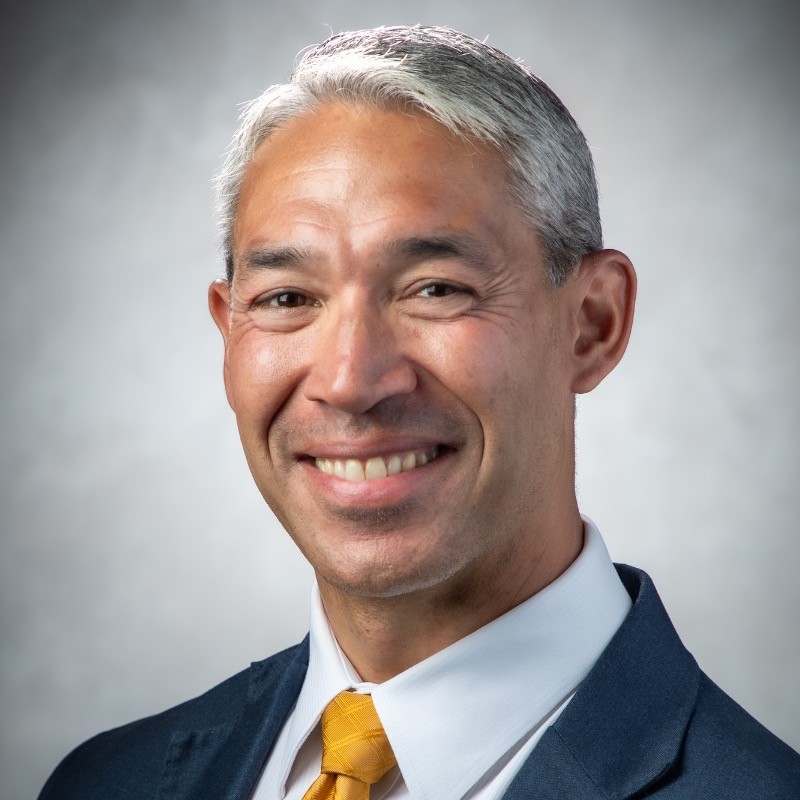
Mayor of San Antonio
Ron Nirenberg is the outgoing Mayor of San Antonio, serving an unprecedented eight years in office during the era of term limits, after four years as the District 8 City Councilman. During his tenure, Nirenberg led the city through the challenges of the COVID-19 pandemic, oversaw the expansion of major initiatives like Pre-K for SA, Ready to Work, and affordable housing bonds, and prioritized environmental protection through aquifer conservation. He is recognized for championing equity, economic mobility, and compassionate responses to migrant and homelessness issues. Nirenberg holds a degree from Trinity University and is set to join its faculty as a professor of practice following his mayoral service.


