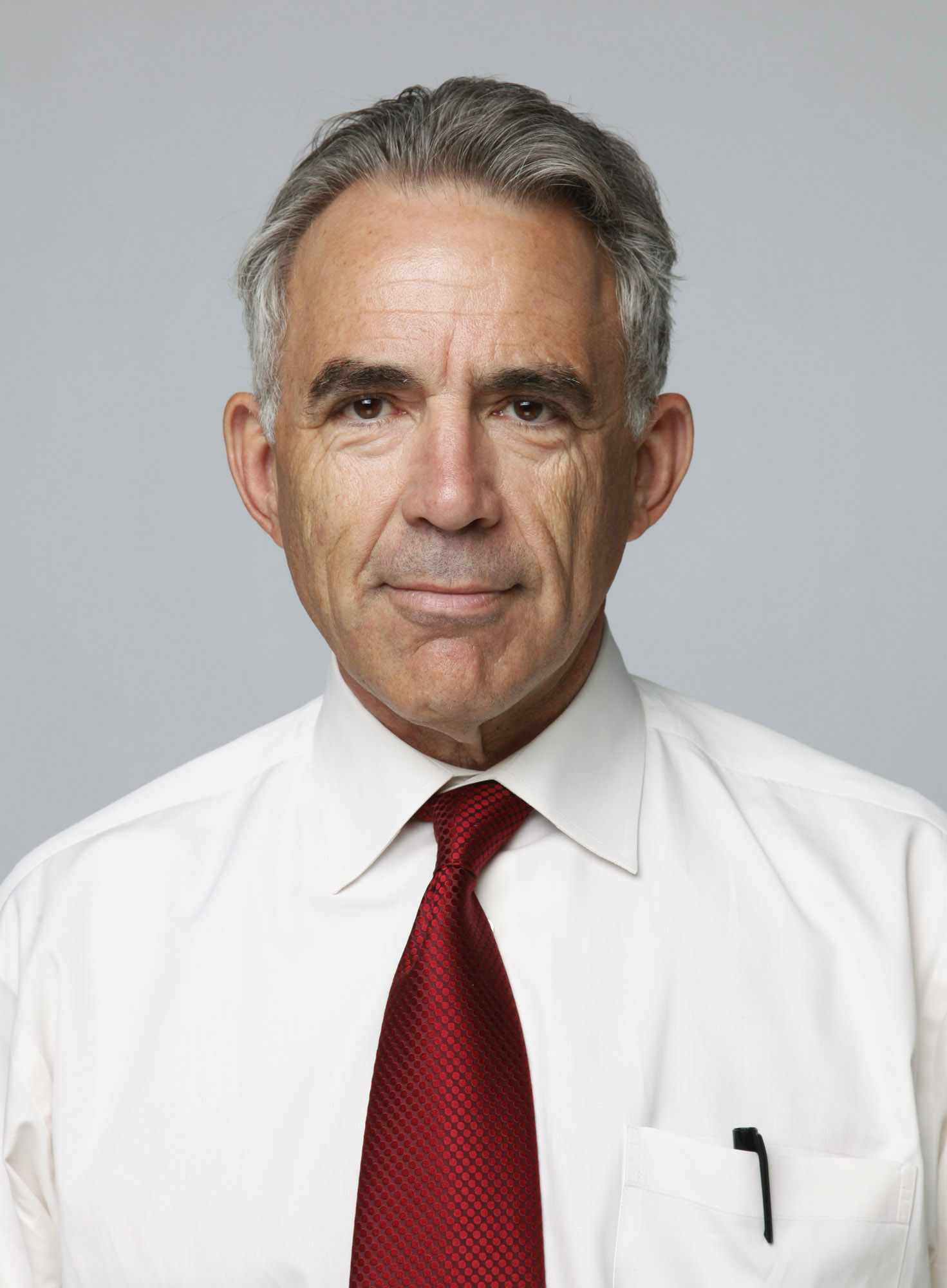
152. What’s Ahead for San Antonio in 2026: Bob Rivard & Cory Ames on City Politics, Growth, and Civic Trust


In the first episode of bigcitysmalltown of 2026, we reflect on a pivotal year for San Antonio and look ahead to the challenges and opportunities of 2026. Bob Rivard and Cory Ames examine how shifts in media—from the podcast’s expansion into video to the growing influence of YouTube—are changing civic engagement and local news consumption. They discuss the impact of major regional elections, including the controversial mayoral race and the county’s vote on the Spurs arena proposition, and consider their long-term implications for city governance and development.
Key themes include:
• The changing landscape of San Antonio politics, with a focus on Mayor Gina Jones’s first year and the upcoming county judge race between Peter Sakai and former Mayor Ron Nirenberg
• Regional growth and strain along the Austin-San Antonio corridor, including water, housing, and infrastructure pressures
• The effect of national policy shifts on local research grants, military presence, and San Antonio’s role as “Military City USA”
• The critical importance of robust downtown investment, especially around UT San Antonio’s expanding campus and student housing
• Ongoing debates over public works delivery, infrastructure bonds, and the future relationship between city and county agencies
Bob Rivard and Cory Ames also look at upcoming stories to watch: San Antonio’s adaptation to climate and energy challenges, continued revitalization efforts downtown, and what the Spurs’ promising season could mean for the community.
RECOMMENDED NEXT LISTEN:
▶️ #151. 8.3 Million New Neighbors by 2050—Henry Cisneros and Bob Rivard on the Austin-San Antonio Megaregion – If conversations about Central Texas’s explosive growth and the challenges ahead grabbed your attention, this episode dives even deeper. Bob Rivard joins Henry Cisneros to unpack their new book and discuss how infrastructure, leadership, and collaboration will shape the future of the Austin–San Antonio corridor. Tune in for a compelling look at what’s really at stake for our region’s next chapter.
-- --
CONNECT
SPONSORS
🙌 Support the show & see our sponsors
THANK YOU
⭐ Leave a review on Apple Podcasts
⭐ Rate us on Spotify
Bob Rivard [00:00:03]:
Hey, welcome to Big City, Small Town, the weekly podcast all about San Antonio and the people who make it go and grow. I'm your host, Bob Rivard, and this is our first episode of 2026. And I'm joined today by our producer, Corey Ames. I want to add officially the title of co host to Corey's title because he has been doing that episodically in 2025. You're going to see more of that in 2026. Corey, thanks for everything you have done for Big City small town in 2026. It's been a full year now. We've been working together and for me, it's been a year of great change and great growth.
Bob Rivard [00:00:42]:
And all of that's due to you. Thank you.
Cory Ames [00:00:45]:
Well, thanks, Bob, and pleasure to be with you here in the new year.
Bob Rivard [00:00:48]:
Talk about that growth a little bit. What do we do to elevate? We're in our third year of the podcast, Corey, and you had your own and do have your own YouTube channel and had your own podcast, and that's kind of how we got connected with each other. And I'm kind of the aging boomer in the market and you're the younger millennial with the same thirst to tell the San Antonio story in important, interesting and innovative ways. And that's how we connected and started working together a little bit more than a year ago, actually. And you did a number of things that really changed Big City Small Town in a profound way. Probably the biggest thing was getting us on YouTube, creating our YouTube channel. But also we launched the weekly Monday Musings newsletter. Both the podcast and newsletter have been on hiatus here through the holidays for a couple of weeks.
Bob Rivard [00:01:42]:
But we're going to be back at it now here early in January and look forward to a great year going forward. But how do you see that growth over 2025?
Cory Ames [00:01:52]:
Yeah, well, I hope people noticed a lot of the changes. Things certainly moved, I'd say fastest in what we implemented and brought out in different products and medium at the start of the year. That being with going video first as soon as January. There's some videos in quarter four of the year before. But I really think that we cemented that process early on there. Every single episode is then something that's both available on audio and video. And if folks have maybe noticed, most recently, that format continues to evolve to serve people a specific audio product and then a specific video product, something that's fed for both channels, I think, appropriately. Well, the newsletter, I think deepens the relationship with people.
Cory Ames [00:02:31]:
They can take it from the podcast as you had in the years before. But as I've heard anecdotally from many folks, they very much so look forward to your Monday Musings newsletter. And I know I do too. It definitely adds some different context and a different layer, I think to the big city, small town overall medium. But growth was steady on audio, so it seems like that's still something that people really enjoy to consume. I know I'm a loyal podcast listener to a number of different shows, but video, it seems like really expands what is possible for our topics and shows as that can just be a much wider net. It seems like you're catching a lot of different viewers, a lot of different demographics that we otherwise wouldn't before. So video really exploded over the last year, I think.
Cory Ames [00:03:13]:
I was looking at the totals just the other day and we saw well over half a million views. I think that even jumped a bit higher with the success of our most recent videos. But I think that's a pretty significant thing to add a new channel and then register, you know, half a million new views in a single year. That's some very significant growth to big city, small town. And we're going to dive deeper into video as 2026 get. And I hope people notice some of that as we've changed, the format evolved a little bit. I was at a restaurant on the west side, the Jerk Shack for an example there in person, eating a, sharing a meal with the chef. And that was a great experience, but in the field, on site in different places to add some layers to the stories that we're sharing here in San Antonio.
Bob Rivard [00:03:55]:
Yeah, that's awesome. Our year end guest in the studio. Well, I guess I was a guest too. A co guest was Henry Cisneros, our former mayor of San Antonio from 1981 to 1989 and then he served as the Secretary of Housing and Urban Development under President Clinton. He's been back in San Antonio for quite a long time, a partner in a Wall street bond practice, but also very active here, still active in the community. And I was one of two former express news journalists, the other being David Hendricks, that joined him to write a book called Mega Opportunity and Challenge in the Lone Star State, which is all about the Austin San Antonio corridor and all the corridor cities being the fastest growing part of United States in terms of population. And I would argue both opportunity and challenge. And I don't know what happened, but that podcast kind of went viral for us on a local regional podcast.
Bob Rivard [00:04:52]:
And not to correct your half million number, but isn't it? 650,000 views and more than 3,000 comments that were posted just on YouTube. Not even talking about our listener audience on Spotify and Apple. No.
Cory Ames [00:05:06]:
And I think that's just because it's kept going, you know, since the new year hit. I was looking at year end numbers. And so that video continues to have some success to it and a lot of people seeing it still every single day. So Texas as a topic, broadly speaking, holds a lot of cultural weight, it seems. And obviously I think that that really shows that that topic, the growth and change in this region is very important to a lot of people in Texas and maybe beyond our state borders.
Bob Rivard [00:05:34]:
I think everybody that's gotten behind the wheel of a vehicle and driven north or south on I35 cares about what we wrote about. Not to mention enormous water chall in the region, the electrical grid, the housing shortages in Austin and San Antonio and everywhere in between. We keep talking about those two major cities, but I spent a lot of time everywhere from Georgetown to Round Rock to New Braunfels, San Marcos, Bernie Seguin, and they all are just these cities have doubled in size in the last decade or so. Cities we didn't even think about before Kyle Buda and on and on. They're just bursting at the seams. And so people care about the topic. And you've made me a true convert to YouTube. I've become a big consumer of YouTube and probably wasn't aware until last year that it's now the leading social media channel over and above everybody else.
Bob Rivard [00:06:31]:
And it harkens me back to a time at the RARD report. Corey. This would be 2019, when I saw our dominance of the millennial audience among local media suddenly plummet. And we were still growing with older boomers and others that were coming on to digital media in a big way. So the Brevard Report numbers were still growing. But I realized after doing my own research that the ubiquitousness of earbuds all of a sudden had completely changed the consumption landscape. And younger people were listening and watching their news much more than they were reading it on a screen. And that was change for us.
Bob Rivard [00:07:15]:
And that was when I really decided San Antonio needed an independent news and information podcast. And ultimately, after the pandemic and my retirement from the report, I decided to launch it myself. But YouTube has been the real game changer, I think, for us and will be going forward. So let's talk a little bit about the year that we were working together and my observations about it versus yours, and then quickly get into the year ahead, the year that we are now in 2026. For me, 2025 was defined and bookended by two really important elections. The first one was the most disturbing and I would say disappointing mayoral contest that I've experienced in my 40 years in San Antonio as a journalist. We had dozens and dozens of candidates on the ballot because in San Antonio all you have to do is find a hundred bucks on the street and you can get your name on the ballot and tell people you run for mayor, even if you're not mentally fit or otherwise suited to run for mayor. The majority of the candidates didn't raise money, didn't organize campaigns, and it was very confusing, I think, for voters.
Bob Rivard [00:08:34]:
And we, of course, we had a runoff. People will remember that I endorsed Beto Altamirano first and then Rolando Pablo second. And obviously my endorsements carry very little weight in the city. Gina or Joe? Gina Ortiz Jones, now just Gina Jones prevailed in the runoff against Rolando Pablos. And she has been our mayor and a very controversial one, I would argue, from day one. And that has not changed much. We'll see what kind of year she has in 2026. And then fast forward with Mayor Jones in office where we had a much more contentious election over the Bexar County Propositions A and B than I thought we would have in 1999 when voters were to decide whether or not to support the spurs moving to a county venue on the east side in what became the SBC arena, it's now the Frost Bank Arena.
Bob Rivard [00:09:31]:
More than 60% of the voters supported that. Substantially less supported the move now to hemisphere sometime between now and 2031, I think 53% at the end of the day voted for it, 47 against. And there was considerable opposition led by Mayor Jones in the inner city. And there's much to be done now. We'll see how that goes. But that's going to be one of the most important stories, if not the most important for us in 2026, because we have a non binding agreement with the spurs and the city on how to move forward in the county. But we now need to get into seriously formalizing a contract, breaking ground and getting going, and that all lies ahead of us. That probably involves an infrastructure bond that will have to be taken to the voters in the city.
Bob Rivard [00:10:20]:
City Council will be discussing the 20 bond, which is the five year cycle bond, at a time when Most of the 2022 bond projects are not yet completed, even though the five year cycle is coming to a close. And you know, I think we're going to have a serious discussion about should City Council consider delaying the 2027 bond, which we have not done since the era of City Manager Cheryl Scully in 2007 and 2012 when we started to year cycle bonds. So a momentous year is behind us and a momentous year is ahead of us with lots to keep us busy. That's how I see it.
Cory Ames [00:11:03]:
Yeah. No, absolutely. I mean, I can't help but agree those two elections were really the headlines of the year. I think there was also this looming sense of tension or maybe impending austerity a little bit with the change in presidential administration. We had the longest government shutdown in history as well, which I think affected many in our community. I think predominantly the San Antonio Food bank comes to mind with the fears of what that implies for cuts in food stamps and food assistance benefits. And so there's a little bit of, I think this narrative of community resiliency that I think is looming and how maybe potential future cuts, the budget deficit all comes into play. It seems like that's an undercurrent of a pretty important theme here in San Antonio that many of our stakeholders and service providers in the area, I think are watching closely themselves.
Cory Ames [00:11:57]:
And likewise, whether it's housing, food, energy, water, those kind of basic infrastructure pieces and how they can be served to all different demographics in San Antonio, I think that's going to be something that's of great importance. And as well as we lead up into the 2027 bond, with housing being a big conversation there as well.
Bob Rivard [00:12:16]:
Yeah, I think you're right to focus on how national news is or national decision making by members of the Trump administration. President Trump and his cabinet is affecting people local. We don't see the heads of Southwest Research Foundation, UT San Antonio, both the medical school and UTSA talking about it much. But we have lost hundreds of millions of dollars in research grants that were going to those institutions. Nobody wants to anger President Trump by coming out and talking about that very loudly, but that's had a real impact on us. I personally know people that have lost their jobs, that were dependent on federal grants, who have been working for decades as civil in the federal sector here in San Antonio. Very talented, very committed, very patriotic people, but nonetheless were told to clean out their desks without reason, without warning, without consideration. So it's been bumpy in that regard.
Bob Rivard [00:13:16]:
We've seen some setbacks in Military City usa, which we like to see ourselves as we're losing the Southern Command here, which originally came up to San Antonio from the The Panama Canal. After we gave the Canal back to the Panamanians, it's been at Fort Sam Houston Joint Base, Fort Sam. Now that is going to go away and probably go, I believe, to Fort Bragg in the Carolinas. We did not get the investment in expansion of cybersecurity at Lackland Air Force Base that Port San Antonio was counting on so much. And at the state level, we did get funding for the cybersecurity initiative that Governor Abbott has supported, but it wasn't quite happening at uts the way UT San Antonio, the way we thought it was going to happen. So I think we need to watch that and see how it develops. And, you know, we're hoping that the health agency, Defense Health Agency, does decide to pull up stakes in the Washington, D.C. area and send thousands of civilian employees to San Antonio.
Bob Rivard [00:14:25]:
That could be a real game changer. That could really help out. And for the last couple of years, people have been working very harsh behind the scenes on that, thinking it would happen. Hundreds of people have moved here, but whether thousands move here and officially we see a Defense Health Agency sort of headquarters here operation remains to be seen. So, yeah, whether or not we fare well on the military spending front, I think is a big story for 2026. And not to go back to Mega Region and plug that, but both Henry Cisneros and I have advocated for a new regional entity to come together, a public private entity, State. And the cities, the major cities have not worked well. We have state elected leaders who are all Republicans, who have all moved very far to the right over the last decade.
Bob Rivard [00:15:14]:
City mayors have tended, even in nonpartisan races like ours, to be clearly Democratic, much more liberal, even progressive. And there's been a standoff between the state and the city. And over a number of legislative sessions, we have seen conservative legislators really take on home rule, city traditions and move through legislative initiatives to limit the power of mayors and city councils in Texas, major cities. And there's no reason in my mind that won't continue. I would like to see a new entity serve as a bridge between the cities and the state. We're probably the only state in the country, Corey, that has tens of billions of dollars in windfall revenue, almost 30 billion of that in our rainy day fund, billions of unallocated revenue from the last legislative session. That is an enviable position that states would kill for. And yet we're not allocating those resources in a substantive way towards some of these challenges that Henry and I and David raise in the Mega Region book.
Bob Rivard [00:16:22]:
Probably the most notable One for your average person would be why aren't we building a train between here and Austin and dealing with this gridlock and, and the negative impacts on productivity it has that we can't get up and down between the two cities with any ease. So I see a lot of issues and challenges for us going forward and a lot of reasons why the quality and caliber of our elected leadership here is very important for people to understand. Are we going to move forward or are we going to move backwards?
Cory Ames [00:16:55]:
Well, I think it's interesting you bring up the mega region conversation once again and the success of that video or the virality reality of that conversation. Thousands of comments on that and it's a little bit of interesting research. You know, I certainly too many comments to reply to, but I did read every single one and took note of what sort of patterns exist. The number one concern or comment, positive or mostly negative, at least on that front, was transportation. Outside of that, a lot of concerns about water scarcity generally and then housing and the electric grid. It kind of seemed like basic infrastructure was of the greatest importance of anyone who left a comment on there. I don't know if there's bias of people who want to leave a comment, you know, are having a particularly visceral response to the conversation or the trends that are taking place, but by all means it seems like those are the highest level concerns for folks in and affected by the growth in the region. And so all that to say I'm really looking forward to some smart decision making and really important critical leadership from, you know, whether it's this, the election that we have coming up here, the primary that I'm sure we'll talk about in just a minute or likewise, you know, regional collaboration that we're not yet having.
Cory Ames [00:18:09]:
It seems all the more important to really be strong and, you know, self sufficient and make some smart strategic decisions that we can both in the city and the region to, you know, safeguard and address many of the concerns of residents here and, and into the future.
Bob Rivard [00:18:26]:
I hope in 2026 that we continue to do what we started in 2025, which is you take the steering wheel for a number of episodes, some of which I love. When you go out into the field and you do the video and interviewing in the field and it brings a whole new dimension, I think that's one new trick this old dog won't, won't learn. But that's okay because we have you here to do it. But I want to draw readers to an episode that you hosted in studio this past year. That I think is important and that people should and listen to. And that was with the CEO and president of saws, Robert Puente, longtime leader of, you know, the San Antonio Water System, our municipal utility, which is always ranked high in the nation among water utilities for its conservation achievements. We use less water or about the same amount of water now that we did when the city was literally 50% the size that it is now. That's extraordinary.
Bob Rivard [00:19:22]:
A lot of that should be laid at the feet of saws, to their credit. And we have diversified our water supply, which was not an easy thing. It was a very contentious political battle to do the Vista Ridge pipeline, for example, from northeast of us down to here. But we now have a situation where we're only counting on the Edwards aquifer for about 50% of our potable water supply. We have a really robust purple pipe system, as I call it, which is the recycling system, which many of the manufacturers advanced manufacturing sites are on the golf courses and others. And one of the big challenges now coming forward are going to be these data centers, which Henry pointed out in, in our episode. A data center can use more water than the Toyota manufacturing plant, Toyota Texas, here in San Antonio. So that's, that's impressive.
Bob Rivard [00:20:14]:
On the other hand, I heard a recent episode about a data center that's opening up farther west out of Texas that believes it can get 100% of its energy from renewables, which I'm a little bit skeptical of, but I want to see more of. We have disinvested at the national level and at the state level in renewables, which I find very odd, very disconcerting. I don't think the oil and gas industry has anything to worry about. We're still going to be using carbon for as long as I'm around, certainly and probably as long as you're around. I think the notion people thought that it would be gone by 2050 is naive. But I think the more renewables that we bring on, the better off we'll be. And I don't think we can wait until a moment of crisis, 10, 20, 30 years from now to go, oh, let's get big about renewables. We've got to be incrementally growing renewables every year.
Bob Rivard [00:21:06]:
Solar, certainly, wind, we're the biggest wind producing state in the country already. But we could be doing more. And we're starting to look at other things like carbon capture much more effectively now than we were when it was just a concept. And so I wish we were doing that. But as these data centers come on and the demands for water and electric just skyrocket. I really wish we would get serious locally about that. You just mentioned the spring primary, which is going to be most important in the county judge race between the incumbent judge Peter Sakai, and his challenger, former Mayor Ron Nirenberg. And that has created a lot of consternation in the community among people that have supported both of them, I would say principally among Democrats.
Bob Rivard [00:21:54]:
But I have heard from a lot of Republican donors who want to support whoever's going to be county judge to say they feel very uncomfortable having to choose publicly between the two individuals. One of the things I really want us to look at when we have Mayor Nirenberg in the studio to talk about his vision for the county is the climate Action and Adaptation plan that was passed a number of years ago, quite a few number of years ago. He was a real champion for that. I would argue that it's mostly a plan that's sitting on the shelf, Corey, and it's not being implemented. We'll see if he agrees or disagrees with that observation. But I'm going to say that San Antonio is not doing its part that it could do and should be doing to improve air quality, to get us into more mass transit, to get us to conserve water even more aggressively and move away from non native turf and these automatic irrigation systems, maybe to get us to shut more lights off in office towers. All kinds of things that we could be doing to improve our profile in that regard. It's something I really want to hear him on and it's something that I know people of your generation are paying.
Bob Rivard [00:23:07]:
You're much more serious about climate change than people in my generation.
Cory Ames [00:23:10]:
Yeah. I mean, I would be interested from your perspective, Bob, if you could spell out a little bit for many of the listeners who might not know, myself included, or the complete nuances of it, because the mayor is a clear head, you know, election that we had this last year, a county judge, while we are in a midterm election year nationally that's going to draw probably greater voter base. But maybe people might not consider that as important as the mayoral race or not know, you know, the important nuances and differences between the different authorities of those posts. Having seen a number of county judges come and go, what should listeners know as to, you know, what what's most important about that county judge's position in something like contrast to do in the mayoral.
Bob Rivard [00:23:52]:
Well, the first thing that's important about it is if people watching us on YouTube or listening on one of our platforms, if they don't live in the city of San Antonio, but they live in Bexar County. Their vote counts whereas they don't get to participate in city elections. Even though many of the 20 plus municipalities that are in the county count so much on the city for different services where we have a relationship with them. But they'll be voting in this election. So that's going to be very interesting. Ron Nirenberg was a very popular mayor. He had very high positives. Peter Sakai is a popular county judge.
Bob Rivard [00:24:29]:
May not have as high a profile as Ron. Ron was in the office for eight years, the first mayor to serve that length of time since Henry Cisneros in the 1980s, which was long before all of you were around. I guess you were born but you weren't around. And he has a very high media profile file Peter not quite as high. He was a district court judge who you know was all but conferred sainthood for the work he did for in the realms of domestic abuse, protecting abused women, abused children in, in bad family situations. But that didn't garner him as much of a public profile as, as being in the kind of office he's in now where it's much more political. Ironically, I don't see Peter Sakai as a politician. I think Ron is more of a politician.
Bob Rivard [00:25:21]:
I think he's all in on public service. Whereas I think Peter Sakai. Peter's probably, he's younger than me but not by much. This is probably his second term, would probably be his last term as county judge. Whereas I think Ron models himself very much after Nelson Wolf, another San Antonio mayor that with a longer break between service eventually gravitated toward the county judge position. And I think he held it for 22 years. So he was in there a long time and I would suspect that if, if Ron would prevail in the election that he would, he would probably be in, in, in that position too where he would want to, to stay there. So it's going to be an interesting election.
Bob Rivard [00:26:03]:
Two like minded people that I think are being pitted against each other in a campaign that it'll be hard for them to be their best selves toward each other. We'll see how they each try to individually distinguish themselves from their adversary and on what the issues are. The county has a lot on its plate. The biggest issue is voters gave them a vote of approval to transform the Frost bank center and the Freeman Coliseum and the surrounding property into a much more dynamic year round, let's just call it Western Slash Rodeo Entertainment Zone. That could end up having restaurants, bars, coffee shops, retail, a hotel. It could really transform from what's been a traditionally light industrial zone in San Antonio along I35 into more of a community which certainly people on the east side would like to see because they felt, whether it was implied, whether it was implicit or explicit, that there was going to be incredible development and investment in the east side after the building, on the one hand, of the Alamo Dome in 1989, it opened in 83. And on the other hand, the Frost bank center, which was approved in 99 and opened in 2003. And of course, there was no such development in either case.
Bob Rivard [00:27:24]:
And so people are more wary, but they have put their vote behind this project. I think whoever is county judge, whether it's the incumbent, Peter Sakai, or whether it's Ron Nirenberg, they're going to need to find somebody to wrangle that project over the next next four or five years or more, who gets up every morning and thinks about nothing else but that. In the same way, the spurs in the city are both going to have to get people on their teams who think nothing but how do we turn the southern flank of hemisphere into a success story for the people of San Antonio? So there's. The county should be working close, more closely with the city. I think we'll see a little bit in the campaign of Ron saying the county judge didn't work close enough with the city, the county judge saying the city didn't let the county in on negotiations with the spurs when it was still behind closed doors. We'll see that there's tensions between the county and city. And I think everybody has the right to ask, how can you guys engage in a little bit of consolidation here that makes both the city and the county governments more effective, maybe doing more with less. And as both face budget challenges in the near future, how can you guys show that you can deliver better services at the same time you're doing it without raising taxes?
Cory Ames [00:28:47]:
Yeah, yeah. I mean, those proposition conversations, while that election has come and gone since November, obviously the conversation really is only beginning in many ways at the city and county level as you make a point there. Is there anything else you think for 2026 that we should be paying attention to? Things that, you know, we'll take a closer look at on the shoulders show.
Bob Rivard [00:29:11]:
I think there's a lot of things going on. First of all, the future success of Downtown, in my opinion, rests on the shoulders more than any other entity on UT San Antonio and this new merged entity between UTSA and the what used to be called the University of Texas Health Sciences center at San Antonio. There's an acronym for you. It was way too long. It's now all UT San Antonio. I think that's more than just a change on paper. I think that puts us in the realm of the top research universities in the nation that have medical schools tied to undergraduate and graduate schools and other doctoral programs. President Taylor Amey, who presides over all of it and was the engineer behind it, has been all in.
Bob Rivard [00:29:58]:
On downtown campus, we saw San Pedro one open a couple of years ago, which is now home to the School of Data Science. That began with a $15 million gift from Graham Weston. Now right across San Pedro Creek from Pedro 2, which will house all of the university. Cybersecurity, AI and other associated tech degree programs, will open up later this year. And eventually, now the university is going to get into the business of student housing. That's what a lot of us are most eager to see. The president, President Amy has said his vision is 10,000 students downtown. That's a lot of backpacks, and I want to see them.
Bob Rivard [00:30:40]:
And to do that, they're going to have have to create housing, and not just student housing, but housing for faculty, housing for administrators, housing for people working on campus. So utsa, when it acquired the Southwest School of Art two years ago, now the UTSA Southwest School of Art, they acquired substantial property, both undeveloped and underdeveloped, in and around the San Antonio river in their sector, and they own other pieces of property. They've got more property on Dolorosa Besides San Pedro 1 and 2. So I really want to see them generate housing and I want to see more residential downtown. We have western urban doing a lot of that on the west side of downtown. The master plan for Hemisphere is to add more residential housing to the 68 that's already there and to the Monarch Hotel that's going to open later this year or early 27. And then that's going to be a big change downtown. It's incumbent on the city of San Antonio, Cory, to get better at these public work projects.
Bob Rivard [00:31:42]:
Every major street project is running over budget and years over time, whether it's North St. Mary's maybe one not as many of us know about North New Braunfels, whether it's South Alamo, everything we're talking about on the southern flank of Hemisphere, where we've bulldozed the former Texas Pavilion, the Institute of Texan Cultures, where the federal government's moving out and where the cities coming in, we can't have Cesar Chavez torn up for years more than the project calls for. Other cities are doing these projects on time. I was just over in the UK and every public works project there, not just in England, but I saw this in Scotland. There's a large sign there for vehicles and pedestrians that says this is when this project started, this is when we're going to complete it. I'd like to see us adopt that in San Antonio and live by it. And I think we'd have a lot more public support for how fast the city we're growing and how much infrastructure investment we need to make if we would do it better.
Cory Ames [00:32:45]:
Absolutely. And I think it's a really critical point of basic trust that people can or cannot see. I think with our local government, which I think right now, with the precariousness of national narratives and as we saw all the terrorists, tariffs and exchanges that happened this last year, it's really good to have a lot of trust and faith in the effectiveness, I think, of our local government and local community. And so I do hope that those sorts of projects which feel like that very kind of base level, are delivered at a much more efficient and effective pace. But along those lines too, everyone moving, you know, further into the city, be it students or otherwise, I think we're seeing a need for more places for people to congregate and enjoy. The Pearl continues to expand and extend hemisphere there too, but on certain days of the week or weekends it's getting pretty crowded. I think it's a good opportunity for people around San Antonio to see that we need more places for people to enjoy and recreate and congregate. And doing that, I think, very smartly and keenly in partnership with the city, where appropriate.
Bob Rivard [00:33:49]:
Well, I will conclude with one other prediction if I can, for 2026, and that is the spurs are going deep into the playoffs and nobody was saying that was going to happen before the season. And it is just a remarkable team they have put together in the post POP era. I would love to have Pop on. If you're listening to just talk about whatever we can get you to talk about Pop, because I know you don't like to talk about yourself, even though we all want to talk about what a legend you are and the winningest coach in NBA history and all you've done for this community on the philanthropic side and what was it that gave you such a magic touch with players. But I promise we'll talk about something else if you'll come on whatever you want to talk about. I'd Also love to have Wemby on Corey. One of the thrills for me in 2025 is on a work visit to New York. I got to go to Washington Square and play Johnny Chess, who Wemby played earlier in the year.
Bob Rivard [00:34:44]:
It kind of went viral and I'd love to have him come on and we could play Chess on big city, small town. But seriously, I'm a basketball fan. You're a basketball player. This spurs team is amazing, and we are punching way above our weight, or at least what people said was our weight. We just went deep all the way to the Finals. On the NBA cup, we lost a game against the Knicks that we were winning for three quarters, and we've done real well since then. We really stack up well against the best, not just in our conference, but I think in the whole league. And I think a six trophy is within our grasp.
Cory Ames [00:35:22]:
Absolutely. And I think it speaks to as well the spurs, again, being a team that can draft really well. There's part of luck obviously, involved in that, in securing that.
Bob Rivard [00:35:32]:
That's karma, not luck.
Cory Ames [00:35:33]:
Karma. That's. But the cycle continues, you know, drafting what would be super, super future superstars and then looking to trade and deal for some really key pieces, which they've wisely done over the last few years. And so it's. There's a lot of exciting energy around the spurs, and I'm very much so looking forward to a postseason run originally from Washington State. So I am a lost Seattle SuperSonics fan. And so I've been very happy to see the spurs beat the container champion Oklahoma City Thunder three times this year already. So I'm very happy about that.
Bob Rivard [00:36:08]:
Well, because they're the former Seattle SuperSonics.
Cory Ames [00:36:11]:
That's right. Yeah.
Bob Rivard [00:36:12]:
And, yeah, we are 3 and O against Oklahoma. And at one point, my son, Alex Rivard, who's the hardest core spurs fan in our family, pointed out we had beaten Oklahoma more than all the other NBA teams they had played put together because they'd only lost five games and three of them were to us. So that's the kind of anecdote and statistic I can get behind. And I think that's very telling and I think more success to come. So we'll wish the spurs well and we'll wish all of our audience well. We really appreciate all of you. Thousands of you have signed up for my Monday Musings newsletter, which is basically an old newspaper man's weekly column. It'll be out again.
Bob Rivard [00:36:52]:
It's out again now, early in January, and it comes every Monday and it's free and it's a nice adjunct to the podcast and gives me a chance to comment on on the most interesting and important developments in our city, the opportunities and challenges, and keep my voice in the community as I continue to enjoy the privilege of a front row seat on the city. Not a front page. The front page is gone out of my life. It's now all homepages. Anyway, thanks for everything in 2025 Corey, and let's make it a great 2026.
Cory Ames [00:37:26]:
Sounds good Bob. All right, y', all, thanks for listening to this epis of Big City Small Town. If you enjoyed this conversation, please share it with friends and colleagues who might find it interesting. You can also sign up for our newsletters, Bob Rivards, Monday Musings and My San Antonio Something. You can find those linked up@bigcitysmalltown.com our show big city Small Town is made possible by Weston Urban Building a city our children want to call home, and Geekdom, where startups are born and smart ideas for become businesses. If you're part of a business or organization that believes in strengthening San Antonio's civic engagement and would like to explore a partnership with us at Big City Small Town, we'd love to hear from you. You can reach out through our website or connect with us on social media. All right, y', all, thanks for being here.
Cory Ames [00:38:15]:
We'll see you next time.

Writer & Media Producer
Cory Ames is a writer, podcaster, and media producer passionate about storytelling that highlights San Antonio’s people, history, and future. As the Founder of Ensemble Texas, he has built a platform dedicated to environmental, economic, and cultural resilience through video, podcasts, and long-form features. Cory has produced hundreds of interviews, including as host of The Social Entrepreneurship & Innovation Podcast, and now brings his experience to bigcitysmalltown, crafting compelling narratives that celebrate the people who make San Antonio go and grow.